A-Level Results Day is here — and whether you got the grades you hoped for or not, one question remains: What next?
For many school leavers, university has always been seen as the default route. But in 2025, more and more students are asking a different question: Do I really need to go to uni to have a great career?
If the thought of sitting in lecture theatres for three years and taking on tens of thousands in student debt doesn’t excite you, you’re not alone. The good news is there are credible, exciting alternatives to university that can lead you straight into meaningful work — without the wait or the debt.

Why More Students Are Skipping University
Tuition fees in England are now capped at £9,250 a year — but over three years, plus living costs, the debt can easily exceed £50,000. For many young people, that’s a heavy burden before even starting their career.
At the same time, employers are crying out for practical skills. The growth of vocational learning, apprenticeships, and fast-track training courses shows that the UK is recognising the value of industry-ready skills over purely academic qualifications.
It’s no surprise that interest in gap years with purpose, vocational courses, and career-focused training is at an all-time high.

What is Vocational Learning?
Vocational learning is education designed to prepare you for a specific career. It’s:
- Hands-on and practical
- Taught by people with real industry experience
- Focused on employability from day one
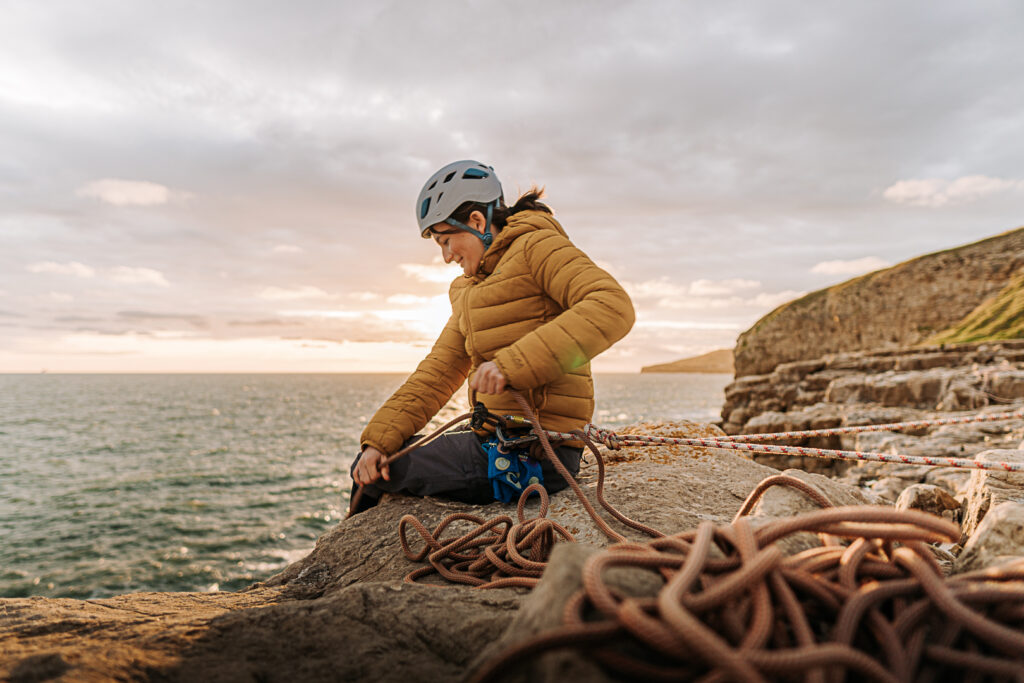
Unlike traditional degrees, vocational courses put you in real-world scenarios from the start — whether that’s in a workshop, on the water, up a climbing wall, or in the field.
The benefits are clear:
- Start earning sooner
- Avoid large student debts
- Gain recognised qualifications valued by employers
- Build work-ready confidence
Fast-Track Your Career
One of the biggest advantages of vocational learning is speed.
While a university degree usually takes three years (sometimes longer), a fast-track vocational course can take just a few months — and have you in paid work the same year.
For example, Land & Wave’s Outdoor Instructor Training course runs for 15 weeks. In that time, you can gain 23 industry-recognised qualifications in:
- Paddlesports
- Hiking
- Rock climbing
- Bushcraft
- First Aid & Safeguarding
- And much more
By the end of the course, you’ll have the skills, certifications, and confidence to start working as an outdoor instructor straight away.
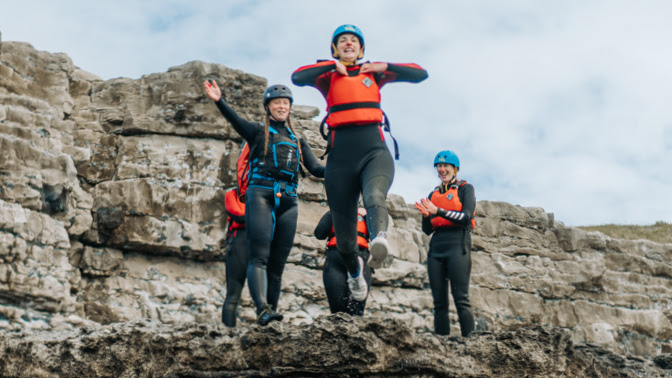
Outdoor Instructor Training: An Alternative to University That Works
If you love the outdoors, adventure sports, and working with people, becoming an outdoor instructor is a career you can start right now — without university.
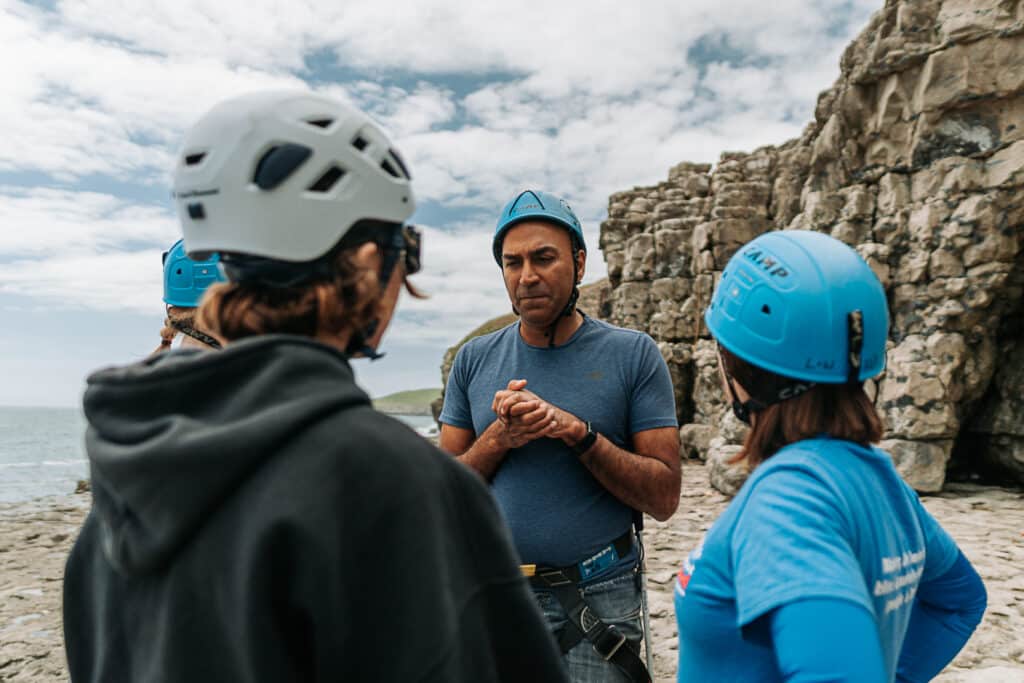
The Land & Wave course in Dorset offers:
- Immersive, practical training in one of the UK’s most beautiful outdoor playgrounds
- Small group learning with expert instructors
- Direct links to seasonal and full-time jobs in the UK and abroad
- A pathway into careers like adventure tourism, education, and guiding
And because you qualify in multiple outdoor disciplines, you can work year-round — from summer paddleboarding in Dorset to winter snow sports seasons overseas.
Who This Path is Perfect For
- A-Level leavers who want a break from the classroom but still want to keep learning
- Gap year travellers who want to gain qualifications before exploring the world
- Career changers looking for an active, people-focused profession
- Outdoor lovers who want their passion to become their job
The Big Picture: Your Future, Your Way
Choosing a path after school is a huge decision — but it doesn’t have to be a choice between university or “nothing.”
Vocational learning, especially in high-demand sectors like the outdoor industry, offers:
- Faster career starts
- Lower costs
- High job satisfaction
- Transferable skills that can be applied anywhere
If you’re looking for alternatives to university, want a fast-track career, and believe in learning by doing, outdoor instructor training could be the best decision you ever make.
Take the Next Step
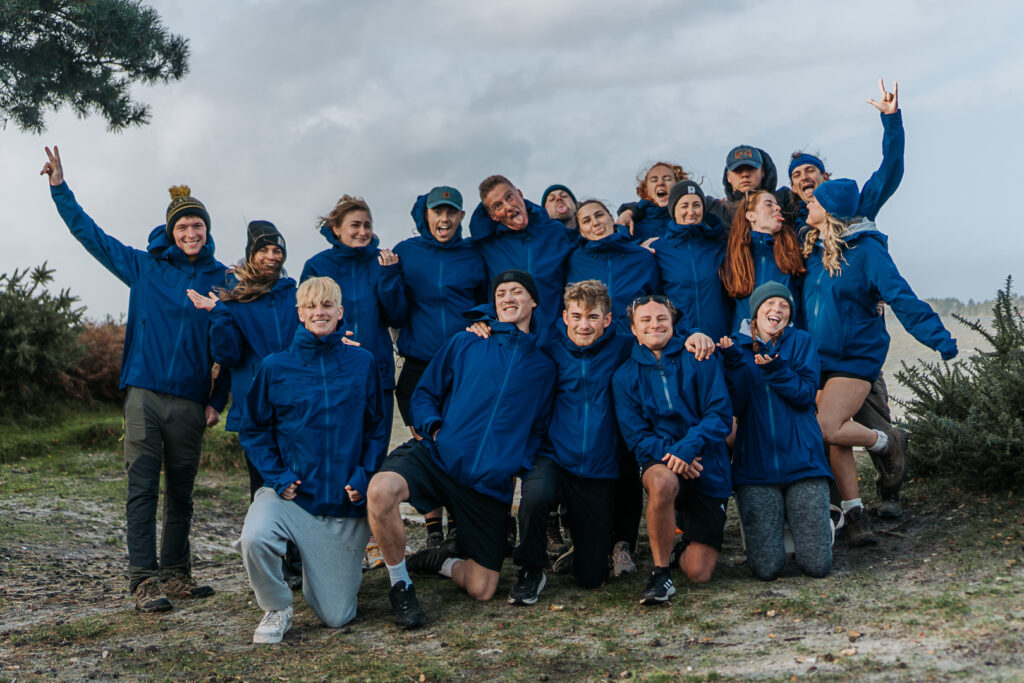
Come and see what it’s all about at a Land & Wave Open Day. Meet the team, try some activities, and find out how you could be working as an outdoor instructor in just 15 weeks.
👉 Learn more about Outdoor Instructor Training
What are the best alternatives to university in the UK?

Some of the most popular alternatives to university include vocational training courses, apprenticeships, gap years with structured learning, starting a business, or going straight into work. Fast-track training in industries like the outdoors, trades, or tech can help you start earning sooner without the debt of a degree.
Can I start a career without going to university?

Yes. Many careers — including outdoor instruction, trades, hospitality management, digital marketing, and more — can be entered through vocational learning, short courses, or apprenticeships. These routes focus on hands-on skills and get you job-ready faster.
What is vocational learning?
Vocational learning is career-focused education designed to give you the skills, qualifications, and confidence to work in a specific job or industry. Unlike academic degrees, it’s usually practical, immersive, and shorter in duration.
How long does it take to become an outdoor instructor?

With a fast-track course like Land & Wave’s 15-week Outdoor Instructor Training, you can go from complete beginner to qualified instructor in under four months, ready to work in the UK or abroad.
Is outdoor instructor training a good career move?

Yes — outdoor instruction offers variety, travel opportunities, and the chance to work in inspiring locations. It’s ideal if you value an active lifestyle, working with people, and teaching skills like climbing, paddlesport, and bushcraft.
What can I do after A-Levels if I don’t want to go to university?

You could take a gap year with training, start an apprenticeship, enrol in a vocational course, or begin entry-level work. Outdoor instructor training is a great option if you want to gain qualifications, travel, and build a career at the same time.
How much does outdoor instructor training cost?

Costs vary by provider, but Land & Wave’s 15-week course is a fraction of the price of university and includes all training, assessments, and qualifications.
Can vocational training lead to high-paying jobs?

Yes. Many vocational careers — from engineering and trades to outdoor leadership — can be well-paid, especially with experience. Because you start working sooner, you also avoid years of lost earnings while studying.
How do I become an Outdoor Instructor?
Gain relevant qualifications: Obtain qualifications such as the Mountain Leader (ML), Rock Climbing Instructor (RCI), or Paddle UK awards, depending on your preferred outdoor activities.
Get experience: Volunteer or work with outdoor centres, schools, or adventure companies to gain practical experience.
First aid training: Complete a recognised first aid course, ideally one tailored for outdoor professionals.
Develop personal skills: Improve your own skills in the outdoor activities you plan to teach.
Network: Connect with other outdoor instructors and professionals in the industry to learn and find job opportunities.
Continuous professional development: Attend workshops, training courses, and conferences to keep your skills and knowledge up to date.
Apply for jobs: Look for instructor positions at outdoor centres, schools, or organisations that offer outdoor education programmes.